LeukoLook
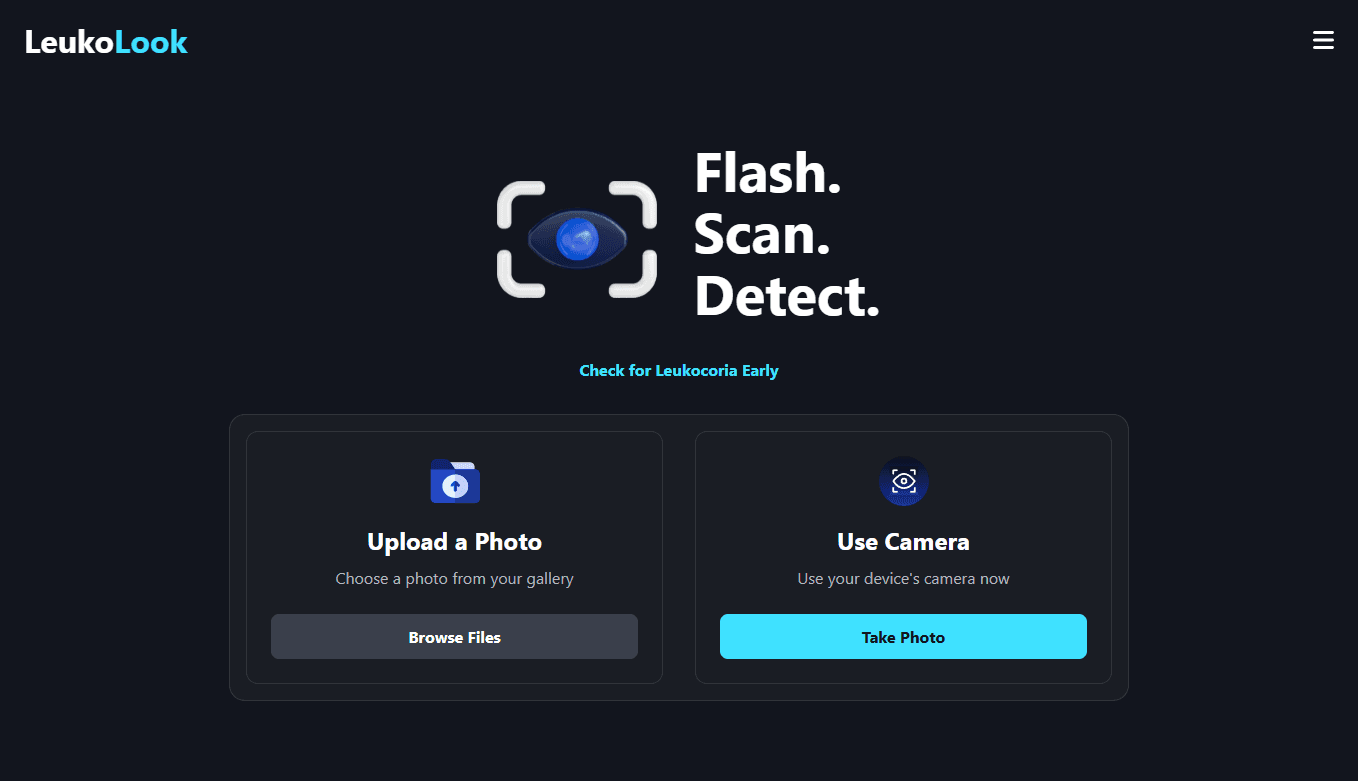
An AI-powered web and mobile application that analyzes pediatric eye photos to detect early signs of leukocoria, serving as an accessible screening tool for parents and guardians.
Role
Frontend & Backend Developer
Timeline
Completed May 2025
Tools
Deliverables
Web Application, Mobile App, AI Model Service, Backend Proxy API
The Challenge
Leukocoria is a critical early warning sign of severe ocular conditions in infants, such as retinoblastoma, which is responsible for approximately half of such cases. Delays in detection, particularly in resource-limited or underserved areas, can lead to advanced disease progression and significantly reduced survival rates. Parents and guardians often lack the specialized medical knowledge or immediate access to ophthalmologists needed for early screening. The primary objective of this project was to provide a cost-effective, scalable, and highly accessible alternative to traditional ocular screening. By developing an AI-powered detection tool, the goal was to empower parents to conduct preliminary screenings using everyday devices, bridging the gap between technological advancements and real-world community healthcare implementation.


The Approach
I tackled the problem by designing a secure, three-tier decoupled microservices architecture. The frontend was built with Vue 3, TypeScript, and Vite and hosted on Vercel for fast, global content delivery and responsive user interactions. To protect sensitive credentials and manage client-server interactions securely, I implemented an API Gateway using the Django REST Framework, deployed on Render. The core of the system is a multi-stage computer vision pipeline built with FastAPI and hosted on Hugging Face Spaces. It processes images through consecutive Roboflow-hosted object detection models for face, eye, and iris isolation before classifying the data using a custom-trained TensorFlow/Keras MobileNetV1 model. This modular approach solved the major architectural challenge of keeping heavy AI inference tasks separate from the user interface while maintaining robust security and system maintainability.
The Solution
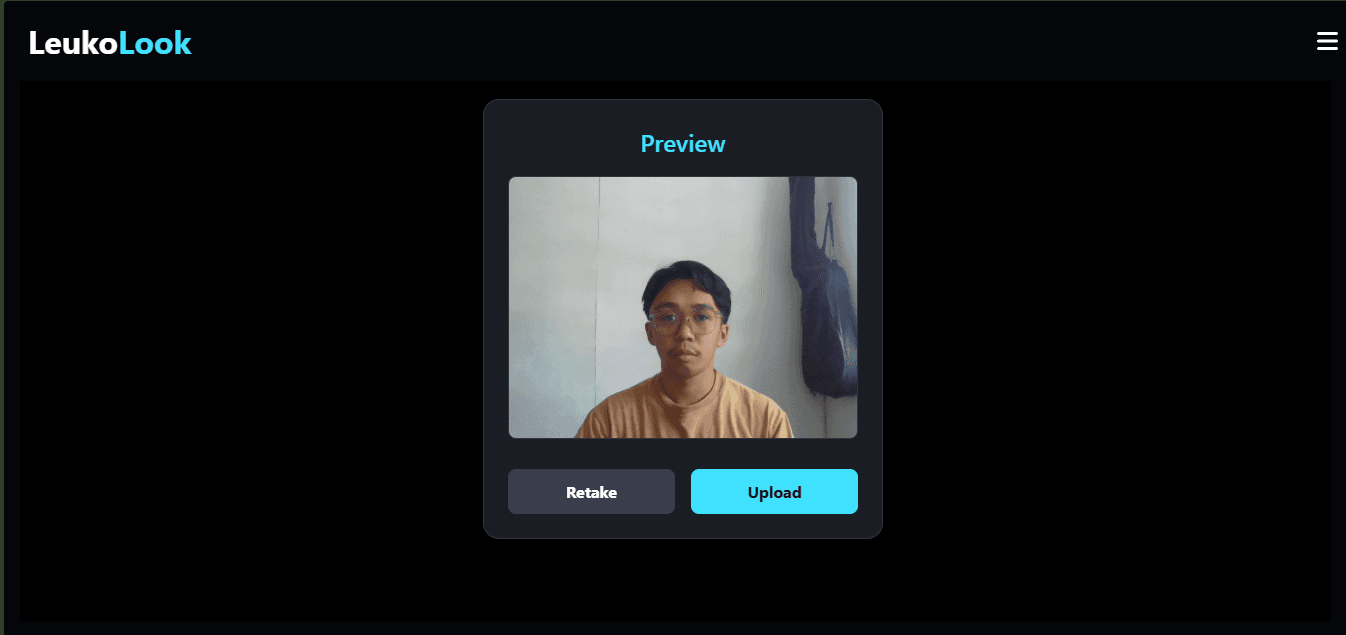
The final outcome was a highly accessible and functional AI screening platform. The underlying MobileNet V1 model achieved a 92.31% accuracy and a 0.9704 AUC-ROC score, demonstrating robust clinical potential for early detection while minimizing false negatives. Beyond technical accuracy, the system provided a user-friendly interface that allowed parents and guardians to receive immediate, color-coded screening results without needing medical expertise. By seamlessly integrating complex AI diagnostics into an intuitive web and mobile app, LeukoLook successfully proved the viability of using accessible, trust-driven AI tools to support community-based pediatric health initiatives.